
 Tech Support
 Documentation
 Login
 Contact Us


Blog Series
SecureChain for Open Source Software
- No categories
FedRAMP 20x Is Rewriting Federal...
Key Takeaways FedRAMP 20x is live for Classes A, B, and C, and the 2026 rules become generally mandatory on January 1, 2027. One Key Security Indicator describes automatic monitoring...
An SBOM Is an Ingredient...
Key Takeaways CISA’s 2026 minimum elements replaced the 2021 National Telecommunications and Information Administration (NTIA) baseline on July 29, 2026, and set 17 data fields. The Office of Management and...
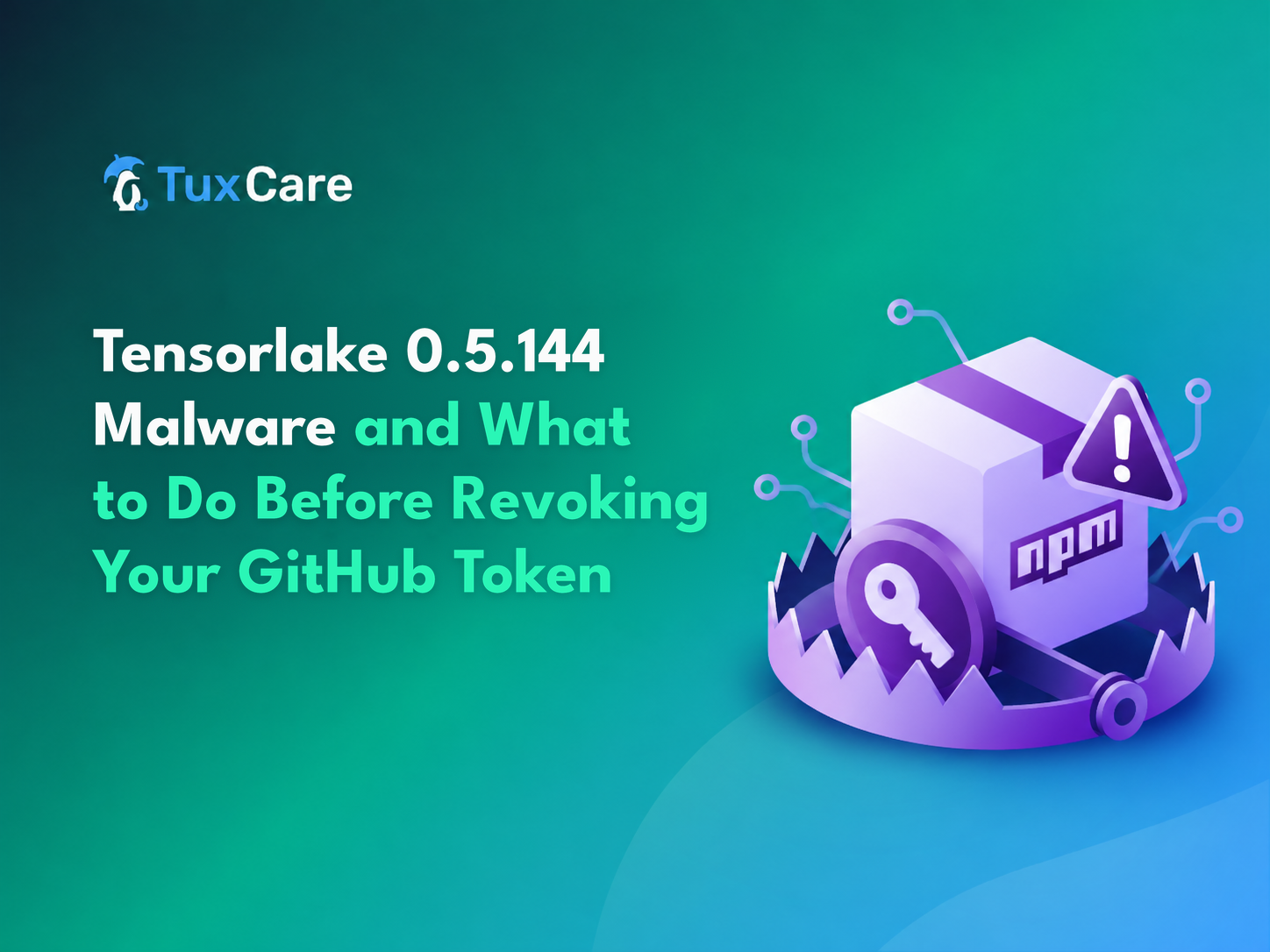
Tensorlake 0.5.144 Malware and What...
The Short Version What: A malicious [email protected] hit npm at 01:12 UTC on October 8, 2026. No typosquat this time. It’s the real Tensorlake TypeScript SDK, built by the project’s...
The Codebase You’ll Hand Off...
Remember git blame? Someone, at some point, is going to run it on the inherited codebase, and it will surface decisions you made years ago. They’ll be puzzled. Maybe the...
Dependency Fatigue Is...
You run npm audit, and there it is: 14 vulnerabilities (3 low, 6 moderate, 4 high, 1 critical) Well, look at that, fourteen vulnerabilities. This is probably a project that...

What CRA Article 14 Requires...
Key Takeaways Since 11 September 2026, CRA Article 14 requires you to notify within 24 hours of becoming aware that an actively exploited vulnerability exists in your product. A top-level...
Typosquatting, Slopsquatting, and the Trust...
Key Takeaways Typos and AI hallucinations both hand attackers a usable package name, and neither one needs an exploit. Provenance proves where an artifact came from, not that the commit...

The Anxiety of Shipping Code...
Every npm install is an act of trust. Have you ever stared at your node_modules folder and wondered, what is actually in here? In modern software development, we live in...
AI Is Writing Code Faster...
Ever asked an LLM to generate code and wondered, is this actually secure? With companies hiring “AI unicorns” and tools like Claude or Copilot becoming the default, it’s easy to...

Which Controls Actually Stop axios,...
Key Takeaways Third Coming and Miasma abused trusted CI publishing paths rather than stolen long-lived maintainer tokens. A registry that screens release content can catch those publishes even when the...

Nexus Firewall Scans Binaries While...
Key Takeaways Scanning tells you what is inside a JAR, not whether it matches the source the project publishes. A tampered build under valid coordinates is the gap that neither...