Tech Support
 Documentation
 Login
 Contact Us




Go straight to an AI summary of this blog post instead 


Key Takeaways
- Open-source security tools offer a cost-effective way to protect Linux systems without sacrificing visibility or control.
- These cybersecurity tools are actively maintained by strong communities, making them highly adaptable to evolving threats.
- A layered defense strategy is essential – combining system hardening, intrusion detection, malware scanning, and log analysis tools.
Open-source security tools are essential for Linux sysadmins and enterprises looking for robust protection against security incidents without high licensing costs. While commercial solutions offer many features, they often come with significant fees while delivering similar security outcomes compared to open-source software. In contrast, open-source tools are free and provide powerful, flexible solutions for protecting critical infrastructure and improving an organization’s security posture. These open-source projects give security teams the visibility, threat detection, and actionable insights needed to effectively harden Linux servers and maximize their risk-reduction efforts.
To help you get started, this article highlights 11 of the best open-source cybersecurity tools for Linux, diving into the security capabilities of each one.
All 11 Open-Source Linux Security Tools: At a Glance
| Tool Name | Best For | Availability |
| Nmap | Network scanning & mapping | Free |
| OpenVAS | Vulnerability scanning | Free |
| Lynis | Linux auditing & hardening | Free |
| Nikto | Web vulnerability scanning | Free |
| Fail2Ban | Brute-force attack prevention | Free |
| ClamAV | Malware detection | Free |
| Snort | Network intrusion detection | Free |
| Suricata | Network threat detection | Free |
| OSSEC | Host-based intrusion detection | Free |
| OSQuery | Endpoint monitoring | Free |
| Wazuh | SIEM & threat monitoring | Free |
11 Best Open-Source Security Tools for Linux
1. Nmap
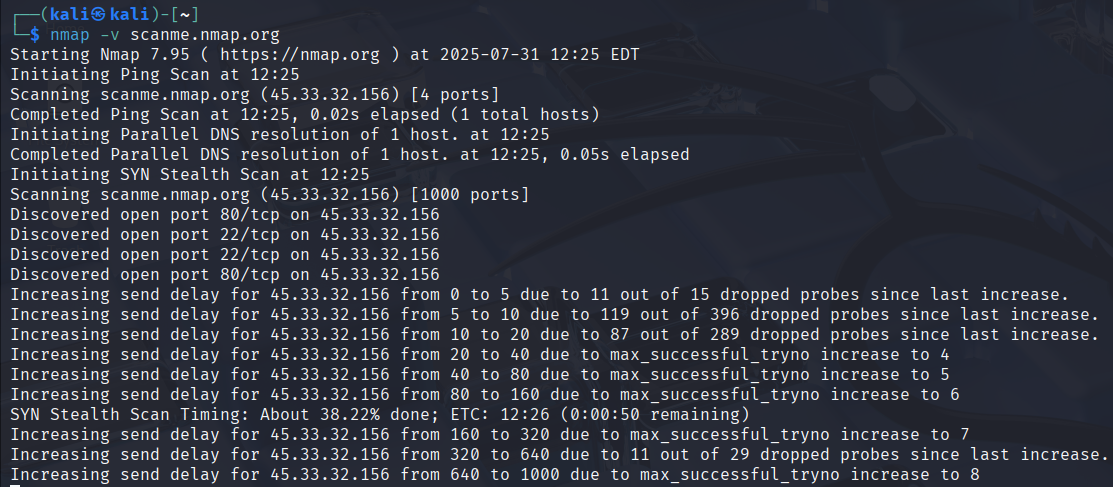
Nmap (Network Mapper) is a free and open-source tool used for network discovery and security auditing. It’s widely used in Linux environments to identify live hosts, open ports, running services, and potential security vulnerabilities.
Key Features
- Port Scanning: Identify open TCP/UDP ports on remote systems.
- Service & OS Detection: Fingerprint services and operating systems across the network.
- Script Engine (NSE): Automate vulnerability detection using powerful custom scripts.
- Visual Mapping with Zenmap: Optional GUI for interactive topology viewing.
Cost & Availability
Nmap is open-source software under a modified GPL license. It’s free to use and maintained by the community and Gordon Lyon (Fyodor).
2. OpenVAS

OpenVAS, now part of the Greenbone Vulnerability Management (GVM) framework, is a widely used open-source vulnerability scanner. It helps organizations identify security flaws in networks, systems, and applications. OpenVAS is respected for its regularly updated vulnerability tests and deep integration with enterprise security workflows.
Key Features
- Comprehensive Vulnerability Database: Continuously updated feeds covering thousands of CVEs and threats.
- Network & System Scanning: Scans a broad range of targets including servers, routers, and web apps.
- Detailed Reporting: Delivers risk-based reports with severity ratings and recommended remediations.
Cost & Availability
OpenVAS is free and open-source software, maintained by Greenbone Networks as part of GVM. Enterprise-grade features and commercial support are available via the Greenbone Security Manager (GSM) line.
You can also explore our guide on open-source vulnerability scanners to learn more about automated scanning options.
3. Lynis

Lynis is a security auditing and compliance tool built for Unix-based systems, including Linux. It performs deep system scans to evaluate your system’s security posture, detecting misconfigurations, missing patches, and other hardening issues. It’s widely used by security teams and auditors for baseline assessments.
Key Features
- Extensive System Audit: Checks system configurations, software updates, user accounts, and network settings.
- Security Hardening Recommendations: Provides actionable tips to improve your system security.
- Compliance Checks: Helps assess compliance with various regulations and industry best practices.
Cost & Availability
Lynis is another one of the free and open-source software options on this list. A commercial version, Lynis Enterprise, is available for more advanced features, reporting, and support.
4. Nikto

Nikto is an open-source web server scanner designed to detect outdated software, insecure files, and common misconfigurations. Lightweight and fast, it’s a valuable tool for penetration testing and sysadmins auditing their web infrastructure.
Key Features
- Fast Vulnerability Detection: Scans for 7,000+ potentially dangerous files and scripts.
- SSL and HTTP Header Checks: Identifies weak SSL ciphers and missing security headers.
- Customizable Plugins: Extend functionality with community or user-made plugins.
- Multiple Reporting Options: Supports HTML, CSV, and XML output formats.
Cost & Availability
Nikto is completely free and open source under the GPL. It’s typically run from a cloned GitHub repository — no installation required.
5. Fail2Ban
Fail2Ban is a lightweight intrusion prevention tool that protects Linux systems from brute-force attacks. It monitors log files for repeated failed login attempts and temporarily bans offending IPs using firewall rules. It’s widely deployed to secure services like SSH, mail servers, and web applications with minimal setup.
Key Features
- Log File Monitoring: Watches logs for repeated failed login attempts.
- Auto IP Banning: Dynamically blocks suspicious IPs via iptables, firewalld, or other Linux firewalls.
- Service-Specific Filters: Predefined filters for SSH, Apache, NGINX, and more.
- Customizable Ban Policies: Set thresholds, ban times, and whitelist/blacklist rules.
Cost & Availability
Fail2Ban is free and open source under the GPL. It’s actively maintained and available via most Linux distributions’ package managers.
6. ClamAV
ClamAV is a free, open-source antivirus engine built to detect trojans, viruses, malware, and other threats. While commonly used to scan mail gateways, it also supports on-demand file scanning for Linux systems. Known for its speed and frequently updated virus database, ClamAV is a reliable option for basic malware protection.
Key Features
- Multi-format File Scanning: Detects threats in emails, archives, executables, PDFs, and more.
- Real-Time Signature Updates: Frequently refreshed virus database from the ClamAV community.
- Command-line & Daemon Modes: Offers both CLI scanning and a long-running service (clamd) for performance.
- Flexible Integration: Easily integrates into mail servers and other Linux services.
Cost & Availability
ClamAV is 100% free under the GPL license and maintained by Cisco Talos. It’s available in most major Linux repositories.
7. Snort
Snort is a classic and widely used open-source network intrusion detection system (IDS). Developed by Cisco, it uses signature-based packet inspection to detect and alert on known threats in real time. It’s commonly used to identify port scans, buffer overflow attempts, suspicious network probes, and other forms of malicious behavior.
Key Features
- Signature-Based Detection: Matches network packets against known attack patterns.
- Flexible Rule Language: Write custom rules tailored to your network.
- Packet Logging & Alerting: Logs suspicious activity and generates real-time alerts.
- Community Rule Sets: Access regularly updated open source rule libraries.
Cost & Availability
Snort is another one of the free and open-source projects on this list under the GPL. Maintained by Cisco, with optional enterprise-grade rule subscriptions available.
8. Suricata

Suricata is a high-performance, open source threat detection engine that serves as an IDS, IPS, and network security monitoring tool. Unlike traditional packet inspection tools, Suricata uses multi-threading and deep packet inspection to detect complex cloud security threats in real time. It’s a favorite for modern, high-throughput Linux network environments.
Key Features
- Multi-Threaded Architecture: Scales across CPU cores for better performance.
- Protocol Parsing: Deep inspection of HTTP, DNS, TLS, SSH, and more.
- Unified Logging: JSON output for seamless integration with Security Information and Event Management (SIEM) platforms.
- Built-in File Extraction: Extracts and inspects files from network traffic on the fly.
Cost & Availability
Suricata is open source and maintained by the OISF under the GPLv2 license. Free to use, with commercial support available.
9. OSSEC

OSSEC is a powerful open-source host-based intrusion detection system (HIDS), including for cloud environments. It monitors system logs, file integrity, rootkits, and policy violations on Linux servers. Designed for infrastructure-level defense, OSSEC helps security teams detect anomalies on endpoints before they escalate – especially in hybrid and cloud environments.
Key Features
- Real-Time Log Monitoring: Parses and analyzes logs from system daemons, authentication services, and applications.
- File Integrity Checking: Detects unauthorized modifications in critical system files.
- Rootkit Detection: Identifies hidden processes and backdoors.
- Agent-Based or Agentless: Flexible deployment depending on environment.
- Versatility Beyond Cloud Security: This tool can be used to minimize cybersecurity risk in various environments, including cloud workloads, containerized systems, on-premises servers, and even totally air-gapped environments.
Cost & Availability
OSSEC is another one of the free and open-source projects on this list under the GPL. The community edition is actively maintained, while commercial support and enhanced features are offered via Atomicorp’s OSSEC+.
10. OSQuery
OSQuery turns your Linux system into a relational database, allowing you to query system state and behavior using SQL. It’s ideal for threat hunting, incident response workflow, and real-time endpoint visibility — all through familiar SQL queries.
Key Features
- SQL-Based Monitoring: Query running processes, users, listening ports, and more.
- Scheduled Queries: Run checks periodically and log results for auditing.
- Cross-Platform Support: Works on Linux, Windows, and macOS.
- Integration Ready: Easily connects with SIEMs, logging platforms, and orchestration tools.
Cost & Availability
OSQuery is open source and free to use. Originally developed by Facebook, it is now maintained by the Linux Foundation.
11. Wazuh
Wazuh is a comprehensive open-source SIEM platform that provides real-time threat detection, log analysis, file integrity monitoring, and compliance enforcement. Built on top of OSSEC, it integrates seamlessly with the Elastic Stack to visualize and centralize security data across infrastructure.
Key Features
- Unified SIEM Capabilities: Collects and correlates logs from multiple sources.
- File Integrity & Rootkit Detection: Alerts on suspicious system changes.
- Cloud & Container Support: Monitors AWS, Docker, Kubernetes, and more.
- Elastic Integration: Provides powerful dashboards and query capabilities via Kibana.
Cost & Availability
Wazuh is free and open source under GPLv2. Enterprise support is available from the Wazuh team, which also offers the Wazuh Cloud service.
Secure Your Linux Systems with TuxCare’s Automated Rebootless Patching
You’ve now got the essential open-source cybersecurity tools to monitor, scan, and harden your Linux systems. For a more comprehensive overview of some of the most effective Linux security tools available today, explore TuxCare’s detailed guide. But even the best security tooling can’t protect you if your kernel remains unpatched. Traditional patching often means reboots and downtime just to secure against a critical CVE — something most enterprises can’t afford. This is where a critical layer of defense is often missing.
TuxCare’s KernelCare Enterprise fills that gap with automated, rebootless kernel patching. While your cybersecurity tools (including a vulnerability management tool detect threats so you can perform vulnerability triage, KernelCare applies critical updates automatically as soon as they are available — no reboots, no maintenance windows, no disruption, and no need to prioritize what to patch.
Speak with a TuxCare security expert to learn how KernelCare Enterprise fits into your Linux security strategy and check out the other security and compliance tools we offer for several open-source projects.
New to open-source licensing? Read our Open Source Licensing Explained: A Comprehensive Guide.